
Don’t kid yourself. We’re not living in a golden age of literary criticism, as a few scribbling souls clinging desperately to their crumbling status would have you believe. Criticism exists in a symbiotic relationship with the art form it addresses. You can’t have a golden age of criticism without a golden age of the art.
There was once a golden age of rock/pop criticism, centered on magazines like Creem, Crawdaddy and Rolling Stone and featuring critics Lester Bangs, Dave Marsh, Greil Marcus and others. They were a big part of how rock/pop bands were promoted into the 1980’s and 90’s, through liner notes and kick-ass reviews in publications both underground and established, from writers excited by musicians and their work– and the music in that era was indeed exciting. With much emphasis on “The New,” and in response the art remained in a state of perpetual change.
TARGETING A NEW AUDIENCE
What should be the audience for books and literature? ANSWER: Those who can read, who often do read but aren’t reading fiction or poetry.
The role of the literary critic is to get people reading. To create and grow an audience. To create buzz, contention, disagreement and enthusiasm. To let the world know: “Hey, we’re out here! Check us out.” Then not bore or perplex those readers who do.
WHAT WE’RE AFTER
We’re not looking for rigorous criticism of the microscopic for-nerds-only variety, but short reviews: analysis that’s punchy and striking. Occasionally over-the-top. Maybe once in a while, way over-the-top. What’s the actual purpose of arts criticism? To provide jobs or dissertation subjects for professors in universities? NO!! It’s to explain/promote/draw attention to the underlying art. To make sure that especial art matters to the world-at-large.
As we discuss in a new post at our Fast Pop Lit site.
The literary art has been so marginalized in our culture that every aspect of it is, or should be, up for evaluation and change. Which is what the New Pop Lit project is about.

 ***
***

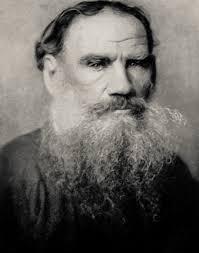 (The Count.)
 ***
*** ***
***

 New Pop Lit